
Dessert Wine: An Encyclopedic Guide to Sweet and Fortified Wines
(University of California Press, coming 2028)
From antiquity until the mid-19th century, the most coveted wines were almost universally sweet. From modern incarnations of Cypriot Commandaria to the late harvest Muscats of Constantia, the vestiges of millennia of viticultural traditions are still captured in the bottles of today’s outstanding collection of dessert wines. To study dessert wine is to study the history of wine generally. No category is as diverse, as complex, nor as transportive across space and time than the world’s great sweet and fortified wines.
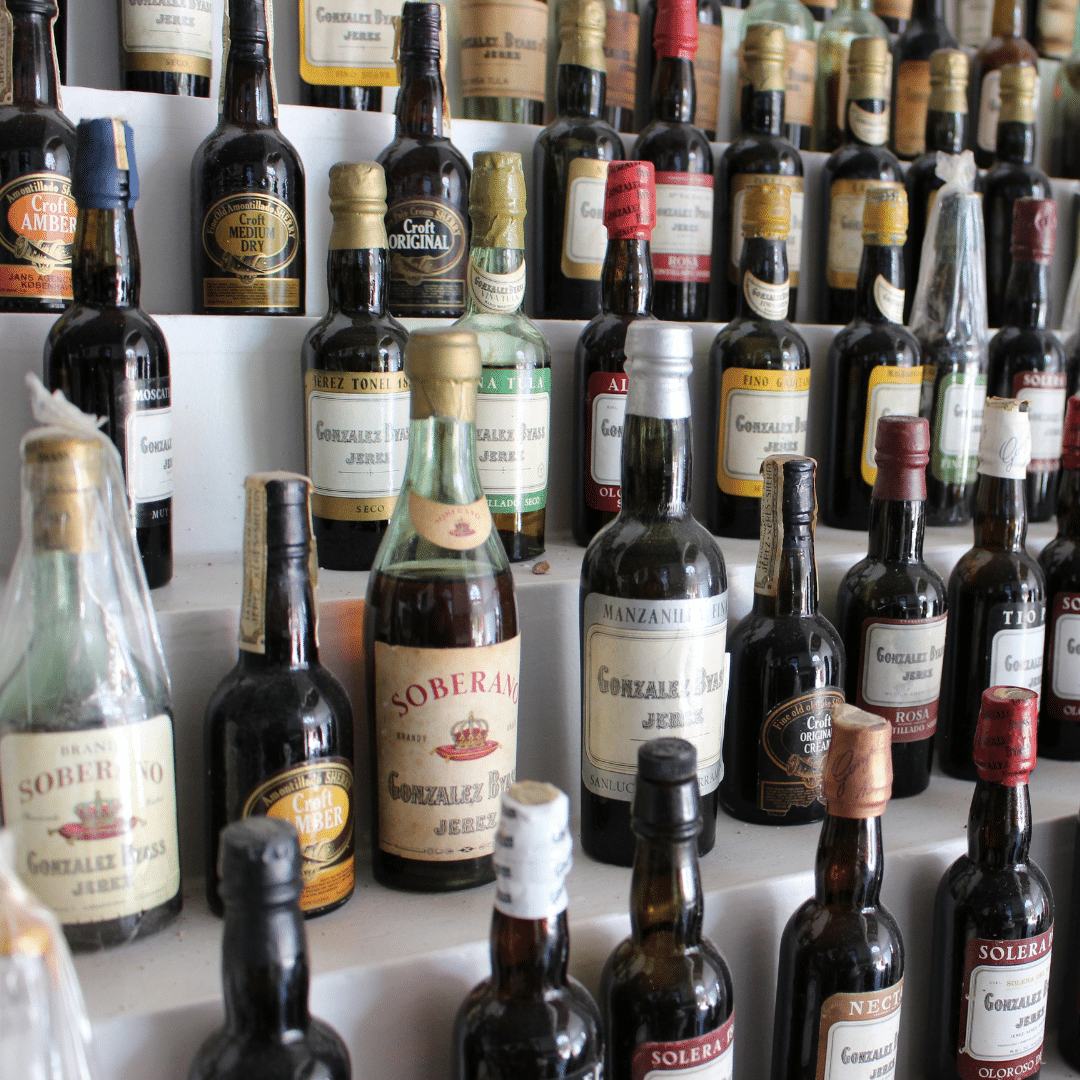
Dessert Wine: An Encyclopedic Guide to Sweet and Fortified Wines is the first book to catalogue the entirety of the global dessert wine portfolio. A foundational reference material, Dessert Wine is exhaustive in its coverage of this most complicated and wide-reaching of topics—engaging not only formative categories such as Sauternes, Port, and Tokaj, but such fascinating and historic styles as Sicily’s Passito di Pantelleria, Croatian Prošek, and California Angelica. Through putting the entirety of the world’s sweet and fortified wines in context with one another, Dessert Wine rewards with unprecedented insight into the interconnected evolution of wine on a global scale as it is still tasted in the ancient and often idiosyncratic practices of contemporary sweet winemaking. Dessert Wine details the rich history of each dessert wine region and style; the particularities of their production methods; their geographies and varieties; and their key producers to deliver an invaluable resource to the wine professional and enthusiast.

Tokaj and the Wines of Hungary
(Classic Wine Library Series, Académie du Vin Library, coming 2027)
Among the first demarcated wine regions, and the very first to formally classify its vineyards, Tokaj is a region that solidified its importance in the wine history books centuries ago. The legends of Tokaj are myriad. Louis XV decreed to his mistress Madame de Pompadour that Tokaji was “the wine of kings, the king of wines,” apotheosizing the delicacy above the great sweet wines of France; the composer Haydn once demanded his wages be paid in aszú; and preceding the gunshots, stabbings, and drowning, the assassination of the mystic Rasputin supposedly began with a glass of cyanide-laced Tokaji.
Despite its rich history—both verifiable and apocryphal—Tokaj remains a very much living, dynamic winegrowing region. Rising from the ashes of a quantity-driven Soviet era, Tokaj’s reemergence in the 1990s is a story of the global wine community coming together to preserve one of its most storied appellations. Tokaj continues to innovate, with the refinement of dry Furmint in the late 2000s; a young selection of characterful sparkling wines; and the passing of the torch to a new generation of Hungarian winegrowers experimenting with new blends, varieties, and low-intervention practices. Tokaj today is a region that balances its outstanding pedigree with a restless reimagining for the 21st century.
That penchant for invention extends to the rest of the Hungarian vineyard. From site-driven interpretations of Kadarka and Kékfrankos in Szekszárd and Sopron to the distinct and diverse blends of Bikavér, the rediscovery of indigenous varieties such as Juhfark and Hárslevelű to the advent of unique grape crossings, Hungary is the rare winegrowing country not to succumb to the pressures of internationalization. Yet the identity of Hungarian wine is still one widely misunderstood by the wider wine industry. Tokaj and the Wines of Hungary, a new addition to Académie du Vin Library’s Classic Wine Library series, will be the most complete English text ever to cover the Tokaj region or the country at large, providing unprecedented insight into one of the world’s most distinctive wine cultures.